Slab Leak vs Water Leak: What Is the Difference?
Homeowner guide · Updated October 11, 2026 · 9 minute read
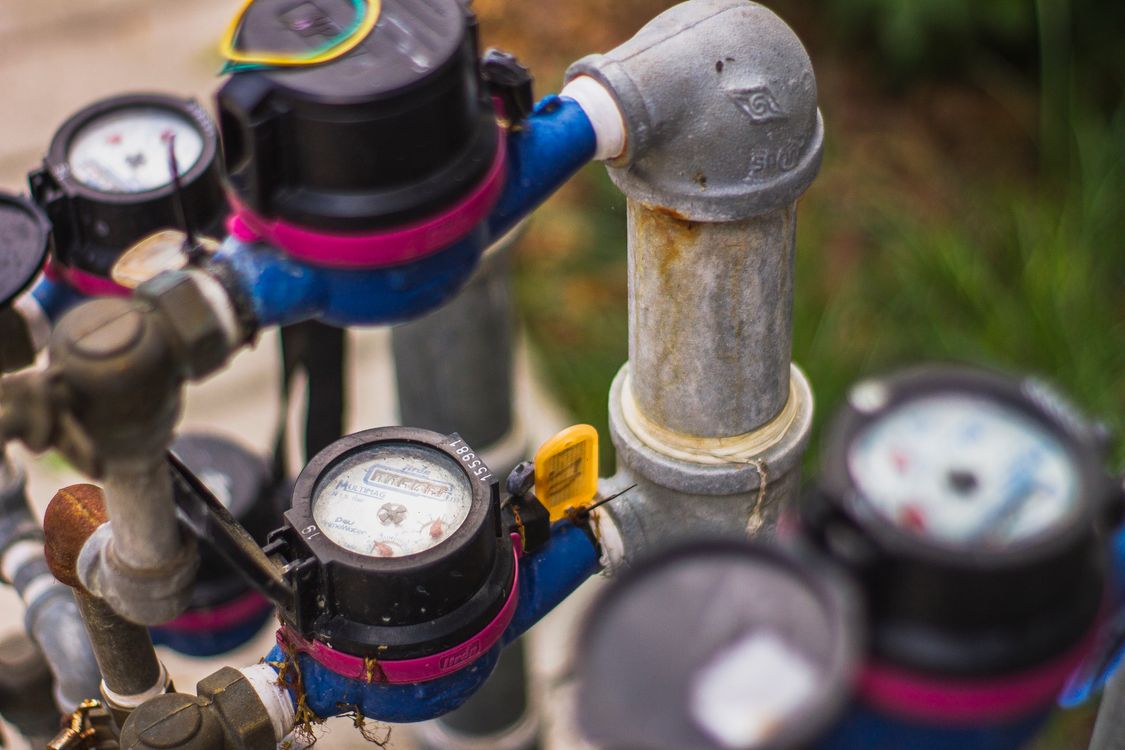
A dripping faucet and a slab leak are both water leaks, but they live in different worlds. One announces itself with a drip or a puddle; the other hides under concrete and needs specialized instruments to find. This guide explains what each type is, how they differ in detection and repair, and what Perris homeowners should know.
What Is a Slab Leak?
A slab leak is a leak in a water line buried beneath or running through the concrete slab your home sits on. Slab construction is extremely common in the United States: about 54 percent of new single-family homes are built on slabs, according to Contractor Magazine. In these homes, water lines are typically routed under the concrete, so when a buried pipe develops a pinhole, crack, or failed joint, water escapes directly beneath the house.
You cannot see a slab leak directly. Instead you notice secondary signs: a warm spot on the floor, the sound of running water when every fixture is off, a sudden jump in the water bill, damp carpet, or cracked tile. Because the pipe is hidden in concrete, these signs often build up gradually, and leaks can run for weeks before the cause is identified.
What Is a Regular Water Leak?
A regular water leak is any plumbing leak that is not under the slab: a dripping faucet, a leaking supply line under a sink, a running toilet, a burst pipe inside a wall cavity, or a failing water heater. These leaks are usually visible or audible, and a plumber can reach the damaged section without breaking concrete.
Most homeowners have dealt with one. You see the drip, hear the hiss, or find the puddle, and the path from discovery to repair is short. The US EPA estimates that the average household’s leaks waste more than 9,300 gallons of water per year, and that about 9 percent of homes waste 50 or more gallons per day through leaks (EPA WaterSense, verified October 2026).
Key Differences at a Glance
| Factor | Slab Leak | Regular Water Leak |
|---|---|---|
| Location | Pipe beneath concrete slab | Walls, ceilings, cabinets, exposed areas |
| Visibility | Hidden; only secondary signs | Often visible as drips, puddles, stains |
| Detection | Acoustic microphone, thermal imaging, tracer gas, pressure tests | Visual inspection |
| Repair access | Open slab, tunnel beneath, or reroute overhead | Open wall or replace fixture part |
| Damage risk | Soil erosion under slab, flooring damage, mold | Localized water damage |
| Cost driver | Access and restoration of concrete/flooring | Parts and labor at accessible location |
How Detection Differs
Finding a regular water leak is usually a matter of looking. A plumber traces a drip, stain, or puddle to the failed connection and fixes it. In many cases the homeowner has already found the source before calling.
Slab leak detection is a specialized, instrument-driven process. The trade-standard workflow, described by Contractor Magazine, is to first isolate the problem circuit with meter and pressure tests, then locate it precisely before any concrete is cut. The acoustic ground microphone is the workhorse tool, and it performs best on pressurized lines under hard flooring. Tracer gas (a 5 percent hydrogen / 95 percent nitrogen mix) is the preferred method for plastic pipe and low-pressure lines. Thermal imaging is fast and effective for hot-side leaks but weak for cold-side leaks. Industry best practice is to confirm the location with two independent methods before opening the slab, because every unnecessary opening adds cost.
How Repair Differs
Regular leaks are repaired by replacing the failed part: a washer, supply line, valve, or exposed pipe section. The work is quick, contained, and does not disturb the structure.
Slab leak repair has several distinct options. A targeted spot repair opens the slab at the leak point and replaces that section. Pipe rerouting abandons the under-slab line and runs a new line through walls, ceilings, or the attic. Tunneling digs beneath the slab from outside to reach the pipe without breaking interior flooring. The method is chosen based on leak location, pipe condition, flooring type, and cost, and a second detailed article covers spot repair versus full repipe.
Which Is More Serious?
Neither should be ignored, but slab leaks deserve faster attention. A visible drip can be isolated at a local shutoff valve while you schedule a repair. A slab leak runs silently, eroding supporting soil and inviting mold growth beneath the home. The longer it runs, the more expensive the outcome.
The financial stakes are real. The Insurance Information Institute reports that water damage and freezing accounted for 22.6 percent of all homeowners insurance claims in 2023, second only to wind and hail, with an average claim severity of $15,400 over 2019 to 2023, and roughly 1 in 60 homes filing a claim each year.
Insurance: Are They Treated Differently?
Yes, often. Standard homeowners policies generally cover sudden and accidental damage, such as a burst pipe, including the cost of accessing the pipe (breaking concrete) and the resulting water damage. What they typically do not cover is the pipe itself, nor gradual seepage, corrosion, or wear over time. This distinction matters most for slab leaks, which often start slowly. Check your policy language before you need it, document everything with photos and written reports if you file a claim, and note that water damage claims have one of the highest denial rates in the industry, estimated around 10 percent.
Can You Have Both at Once?
Yes. A home can have a slab leak and a regular leak simultaneously, and one can mask the other. A high water bill might be blamed on a running toilet while a slab leak continues underneath. If fixing the visible leak does not bring the bill back down, further investigation is warranted.
Prevention Tips for Both Types
For regular leaks: check under sinks periodically, replace aging supply lines and valves, know where your main shutoff is, and watch for stains on ceilings and walls. Fixing household leaks promptly is also an environmental win: the EPA estimates nearly 1 trillion gallons of water are wasted annually in the United States through household leaks.
For slab leaks: monitor your water bill for unexplained jumps, pay attention to warm or damp spots on floors, listen for running water when fixtures are off, and watch for foundation cracks or musty odors. If your home has aging copper lines, a periodic pressure test can catch a developing problem early.
Perris Notes
A note of accuracy about local soil. Expansive clay is a real pipe-stress factor in parts of the country: a Texas study found the highest pipe-break density in the highest-plasticity clays, and the American Society of Civil Engineers estimates that about 25 percent of US homes are affected by expansive soils. However, geotechnical documents for the Perris Valley show local soils testing at low to moderate expansion (Expansion Index roughly 5 to 68). Perris is not high-expansion country like North Texas, so articles that blame dramatic soil movement here would be overclaiming. What does apply in Perris is the combination of slab construction, which is the regional norm, and aging copper plumbing, which is the more direct driver of slab leaks locally.
The Bottom Line
A slab leak and a regular water leak are both plumbing failures, but they live in different worlds. One hides under concrete and needs specialized instruments to find; the other usually announces itself. Knowing the difference helps you react correctly: visible leak, call a plumber; hidden signs with no source, call a slab leak detection specialist. Either way, fast action keeps a small problem from becoming an expensive one.
Frequently Asked Questions
Can a regular water leak turn into a slab leak?+
How do I know which type I have?+
What is the most reliable way to find a slab leak?+
Does insurance treat slab leaks differently?+
How common are slab leaks?+
Can I detect a slab leak myself?+
How long can a slab leak go unnoticed?+
Do slab leaks always require breaking the floor?+
Are slab leaks common in Perris?+
What should I do first if I suspect a slab leak?+
Will a slab leak affect my foundation?+
Is a slab leak an emergency?+
Our Perris-based team pinpoints hidden leaks with acoustic and thermal detection, then walks you through your options in plain language. Call before noon for same-day availability.
(951) 416-3250