Water Leak Detection in Perris, CA
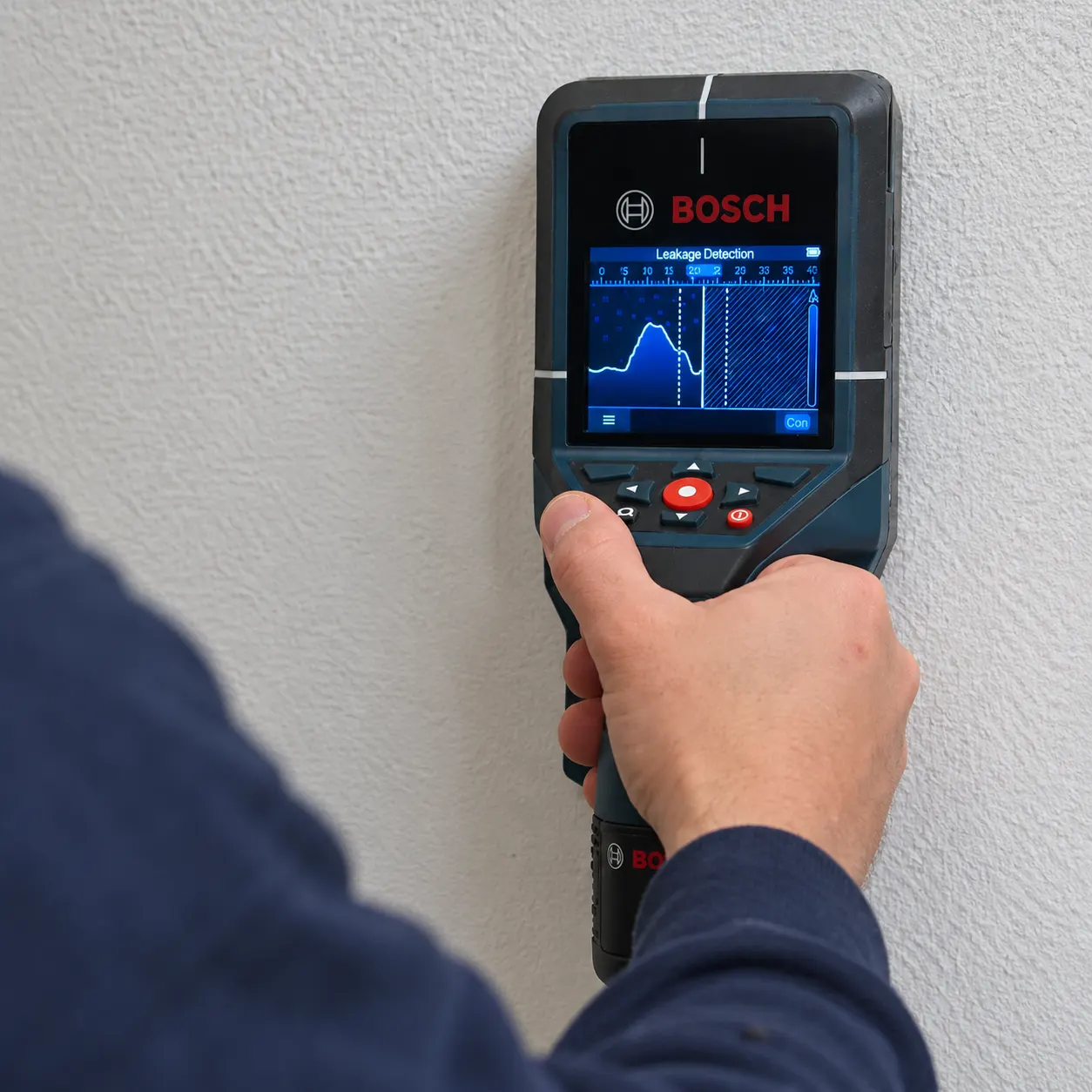
Hidden leaks cost money every day and rarely show themselves. We find leaks in walls, ceilings, slabs, and buried service lines using non-invasive tools, so any repair starts from a confirmed location instead of a guess.
Water Leak Detection in Short
Find the Leak Before Opening Anything
Water leak detection finds hidden leaks in walls, ceilings, slabs, and buried service lines without demolition. A technician confirms the leak with a meter and pressure test, then pinpoints it with acoustic, thermal, and moisture tools and marks the location in a written report. We serve Perris 92570 and 92571 24/7 at (951) 416-3250.
Water Leak Detection Services in Perris
Water leak detection is the process of locating a leak in a pressurized plumbing line without tearing out walls, floors, or concrete first. A technician confirms that water is escaping, works out which line is responsible, and pinpoints the spot using acoustic listening, thermal imaging, pressure testing, and moisture mapping.
Most hidden leaks never show up as a puddle. They sit inside a wall cavity, above a ceiling, under a slab, or in the buried service line between the EMWD meter and the house. The first sign is usually indirect: a higher water bill, a meter that keeps moving, lower pressure, or a damp patch of flooring.
This page covers hidden leaks anywhere in the water supply system of a Perris home. If you already suspect the leak is under the concrete foundation, see our slab leak detection service, and for fixing a confirmed under-slab leak see slab leak repair.
The scale of the problem is well documented. The U.S. EPA reports that the average household's leaks can waste nearly 10,000 gallons of water every year, and that ten percent of homes have leaks that waste 90 gallons or more per day (EPA WaterSense, Fix a Leak Week).
Signs of a Hidden Water Leak
Any one of these can point to a leak you cannot see. A single sign is a reason to test. Several together make a leak likely.
Water Bill Rising Without a Reason
A bill that climbs while your habits stay the same often means water is leaving the system around the clock. The high water bill guide explains how to read the pattern.
Meter Moving With Everything Off
If the meter dial or low-flow indicator keeps turning while every fixture is closed, water is going somewhere. A water meter leak test confirms it.
Running Water Sounds in a Quiet House
Hissing or trickling at night, with no fixture in use, usually means a pressurized line is leaking inside a wall, ceiling, or floor.
Low Water Pressure
A drop at several fixtures at once, with no change on the street side, can mean a supply line is losing flow before it reaches the tap.
Damp Spots, Stains, or Bubbling Paint
Discolored drywall, peeling paint, or a musty smell near a wall or ceiling suggests moisture behind the surface.
Warm Spot on the Floor
A warm patch on tile or wood with no heat source nearby can come from a hot line leaking below the floor. See warm spot on floor.
Pump or Water Heater Cycling
A booster pump that keeps starting, or a water heater that refills often, can reveal a loss in the system. See booster pump cycling leak.
Mold, Mildew, or Warped Flooring
Persistent humidity, cupped hardwood, or lifting laminate points to moisture that keeps returning from a hidden source.
Where Hidden Leaks Start in Perris Homes
A leak is never random. Knowing where it likely started helps narrow the search and shortens the time a technician spends listening.
Under the slab. Nearly 80 percent of single-family homes in Perris are built slab-on-grade, so many supply lines run beneath concrete where they cannot be seen or reached. These leaks are covered in depth on our slab leak warning signs page.
Inside walls and ceilings. Hot and cold branches in stud walls leak at fittings, shutoff valves, and flexible connectors, and often stay hidden until drywall stains.
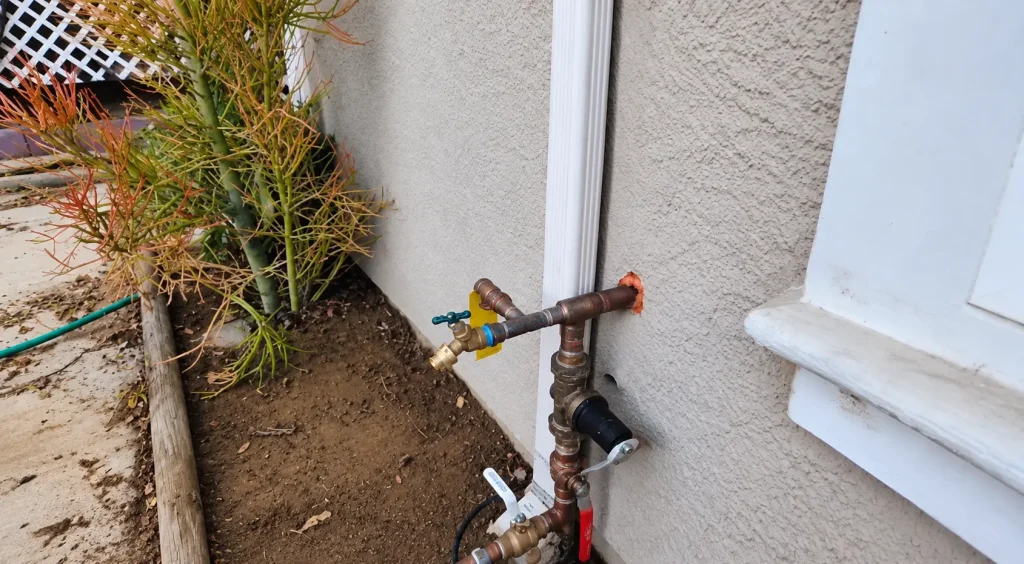
Between the meter and the house. The service line runs underground from the meter to the home. A leak there never shows inside the house, but it still shows on the meter and the bill.
Aging copper. Perris grew quickly from 2000 to 2009, including neighborhoods such as Villages of Avalon and Monument Ranch. Copper installed in that wave is now reaching the age when pinhole leaks become common.
Hard, mineral-heavy water. Perris tap water is hard water with hardness around 212 PPM, and that mineral load wears copper from the inside and scales fixtures and valves over time.
Expansive clay soil. Perris sits on clay alluvium that swells in wet seasons and shrinks in dry ones. That movement stresses pipes where they meet concrete or change direction. See why Perris homes get slab leaks.
Irrigation, pool, and spa lines. Buried landscape and pool plumbing leaks quietly and is often mistaken for a house leak because it uses the same meter.
Fixtures and appliances. Toilet flappers, water heater connections, softeners, and ice maker lines are common sources that are cheap to fix once found.
How We Find Hidden Water Leaks
No single tool finds every leak. We combine methods so the result is confirmed by more than one reading before anything is opened.
Water Leak Detection Method Comparison
| Detection Method | Best For | Main Limitation |
|---|---|---|
| Meter and pressure test | Confirming a leak and which line is leaking | Does not pinpoint the exact spot |
| Acoustic detection | Pressurized supply lines, slab leaks, and service lines | Background noise and very small leaks reduce accuracy |
| Thermal imaging | Hot water lines and wet wall or ceiling materials | Less effective on cold lines or deep leaks |
| Moisture mapping | Showing how far water has spread | The wettest spot is not always the leak |
| Tracer gas testing | Hard-to-hear or low-flow leaks | Line must be isolated and filled with gas, so it takes longer |
Think you have a hidden leak in your Perris home? Call us and describe what you are seeing.
(951) 416-3250Checks You Can Do Before Calling a Leak Detector
These checks take minutes and cost nothing. They help narrow the problem and give the technician a useful starting point.
Run a Meter Test
Turn off every fixture inside and out, note the meter reading, wait two hours without using water, and read it again. The EPA says that if the meter changes at all, you probably have a leak (EPA). Full steps are in our meter test guide.
Run a Toilet Dye Test
Add a few drops of food coloring to the toilet tank and wait 10 minutes without flushing. If color shows up in the bowl, the flapper is leaking. This is the most common silent leak in a home.
Check Outdoor and Irrigation Lines
Look for soggy ground, unusually green patches, or sprinkler zones that stay wet near the meter or along the path of the service line.
Compare Recent EMWD Bills
Compare water usage, not dollars, across several billing cycles. A steady rise with no change in habits is the pattern that points to a hidden leak.
Our Water Leak Detection Process
Every visit follows the same sequence, so the result rests on confirmed readings and not on guesses.
Discuss the Symptoms and History
We start with what you have noticed: when it began, whether it affects hot or cold water, how the bills have changed, and the age and pipe material of the home. This often points us to the right zone before any tool is used.
Confirm the Leak With a Meter and Pressure Test
We shut off water to the house, watch the meter, and use a pressure gauge to confirm that water is escaping. We also separate the house plumbing from the service line, so we know whether the leak is inside or outside.
Narrow Down the Zone
Using hot and cold isolation and room-by-room readings, we reduce the search from the whole property to one area of the home or one section of buried line.
Pinpoint the Source
Within that zone we use acoustic listening, thermal imaging, moisture mapping, or tracer gas as needed. The location is confirmed by at least two readings before it is marked.
Mark and Document the Location
We mark the leak location on the surface and record readings, photos, and the method used. This becomes the written detection report you can use with EMWD and your insurer.
Explain the Findings and Next Steps
We explain what we found in plain language, including the likely cause and the repair options, so you can decide on next steps with the full picture and no guesswork.
Slab Leak or Another Type of Leak?
Where the water is escaping decides the repair, the cost, and the documentation. This table helps you place your symptoms.
| Leak Location | Common Signs | Where to Read Next |
|---|---|---|
| Under the concrete slab | Warm floor spots, running water sounds from the floor, rising bills | Slab leak detection and slab leak repair |
| Inside a wall or ceiling | Stains, bubbling paint, dripping sounds, musty smell | This page |
| Service line, meter to house | Meter moves with the house shut off, soggy ground, low pressure | This page |
| Sewer or drain line | Slow drains, sewage odor, no meter movement | Sewer line vs water line |
| Unsure which one it is | Mixed or unclear symptoms | Is it really a slab leak? |
What Affects the Cost of Water Leak Detection in Perris
Detection pricing depends on the property and the problem, so we explain the scope before any work begins. These are the factors that move it most.
Size and layout of the home: Larger homes and more plumbing zones take longer to isolate and test.
Number of suspected leak areas: One clear symptom is faster to trace than several overlapping ones.
Access to the area: Finished floors, built-in cabinets, and furniture affect how easily readings can be taken.
Leak size and sound: A loud, steady leak is quick to find. A very small or intermittent one may need a second method.
Pipe material and depth: Plastic lines are quieter than copper, and deeper lines are harder to read from the surface.
Location of the leak: Inside a wall, under a slab, and along a buried service line each call for different tools and time.
Repair is separate: Detection finds the leak. Repair is priced afterward from confirmed findings. See slab leak repair cost in Perris and a real cost example.
Documentation for EMWD Billing Adjustments and Insurance
A leak you cannot see still shows up on your bill. Eastern Municipal Water District took over the Downtown and North Perris water systems on October 15, 2024, and EMWD offers a concealed leak adjustment process for customers who find and fix a hidden leak. Eligibility and requirements are set by EMWD, and the district explains its process on its leak information page.
A written report that names the leak location, the detection method, and the date is the kind of record these programs and insurers ask for. We provide that report after every detection visit.
Insurance works differently. Many policies cover sudden water damage but limit coverage for long-term seepage, and coverage for the cost of finding the leak varies by policy. Read the California slab leak insurance guide and the deductible math post before deciding whether to file. The California Department of Insurance also publishes a residential claims guide that explains your rights.
What Happens When a Hidden Water Leak Is Left Alone
A hidden leak does not stay the same size. Water keeps finding the weakest point in the pipe, and the damage spreads slowly where nobody is looking.
Higher bills come first, because every day of loss is billed. Next comes damage to drywall, insulation, flooring, and cabinets, followed by mold in damp cavities. Around a slab, a constant source of water can soften the soil and add to the movement that clay already causes. Pumps and water heaters also work harder to make up for lost water.
Waiting also weakens an insurance position, since long-term seepage is often treated differently from sudden damage. Read more in what happens if you ignore a slab leak and is a slab leak an emergency.
Why Choose Slab Leak Pros for Water Leak Detection in Perris
Licensed and Insured
Reports from a licensed and insured provider carry the weight needed for EMWD adjustments and insurance claims, and they are written so they work on the first submission.
Non-Invasive Methods First
We locate the leak before any wall or floor is opened, so access cuts are small and targeted, and many visits end with no demolition at all.
Written Reports You Can Use
Every visit ends with a report showing the location, method, and readings, formatted for billing adjustments and claims.
Perris Housing Knowledge
We know the local soil, the common pipe materials and ages, and how EMWD documentation works, because we work in these neighborhoods every day.
Plain-Language Answers
You get the finding, the likely cause, and your options explained clearly, without pressure to approve repair on the spot.
Available 24/7
Call any time. Same-day scheduling is often available for calls placed before noon.
Related Leak Services
Detection is the first step. Depending on what is found, one of these services may be next.
Slab Leak Detection
Acoustic and thermal scanning to locate a suspected leak beneath the concrete foundation.
Learn about slab leak detectionSlab Leak Repair
Direct access repair and other options once an under-slab leak has been confirmed and located.
Learn about repairPipe Rerouting
Bypass a damaged line by running a new one through walls or ceilings instead of opening the slab.
Learn about reroutingFull Repipe
A complete replacement of supply plumbing when leaks keep returning or the pipe has deteriorated broadly.
Learn about repipingWater Leak Detection for Perris Homes
Perris homes face a mix of conditions that make hidden leaks more common here than in many parts of Southern California. The valley sits within the Perris Block on expansive clay alluvium that swells with every rain and shrinks in every dry spell, and that repeated movement works on pipes at the points where they meet concrete, turn corners, or pass through walls.
The water is hard and mineral-heavy, which wears copper from the inside and scales fittings. Homes built in the late 1980s and 1990s, the core of the housing stock in 92570 and 92571, are well into the age range where leaks appear. Homes from the 2000 to 2009 growth wave are now entering it.
With nearly 80 percent of single-family homes built on slabs, a lot of plumbing is out of sight, which is why a bill or meter change is often the first and only clue. We serve every Perris neighborhood, including North Perris, Rancho El Dorado, and South Perris.
Water Leak Detection FAQs
What is water leak detection?+
How do you find a hidden water leak in a house?+
How do I know if I have a hidden water leak?+
How much does water leak detection cost in Perris?+
Will you have to cut into walls or floors to find a leak?+
How accurate is acoustic leak detection?+
How long does a water leak detection visit take?+
Can a leak be found without shutting off the water?+
What is the difference between water leak detection and slab leak detection?+
How can I tell if the leak is inside the house or on the service line?+
Does homeowners insurance cover leak detection?+
Will EMWD adjust my bill for a hidden leak?+
Is a hidden water leak an emergency?+
How much water can a hidden leak waste?+
Do you serve areas outside Perris?+
What should I do while waiting for a technician?+
Need Water Leak Detection in Perris?
Slab Leak Pros is licensed, insured, and serving Perris 92570 and 92571 24/7. If your bill is climbing, your meter will not stop, or you see signs of moisture, call us and we will find the source before anything is opened. Same-day scheduling is often available for calls placed before noon.