Pipe Rerouting in Perris, CA
When a damaged pipe beneath your slab is difficult to access or has failed more than once, running a new water line along a different path may be the right approach. We help Perris homeowners understand when rerouting makes sense, what it costs, and how the work gets done.
Get a Route Review
- No slab opening at the leak point
- Detection first, route planned on evidence
- Options explained, including when rerouting is NOT the best call
What Pipe Rerouting Is
Pipe rerouting means bypassing the damaged or leaking section of pipe and running a new line through walls, ceilings, or the attic instead of opening the concrete slab above the leak.
The old line is left in place and capped off. The new line carries the water from then on.
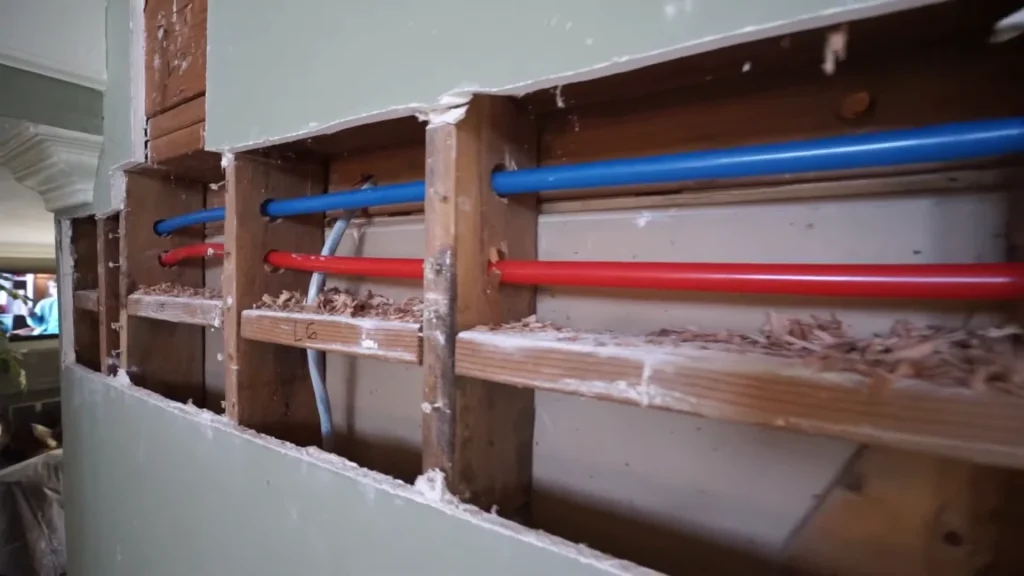
Rerouting is not the answer to every slab leak. It makes the most sense when the damaged section sits beneath a cabinet, a bathroom fixture, or another spot that is hard to reach, or when the same line has already leaked before.
If another approach fits your home better, we say so. That judgment starts with detection, because no route can be planned until the leak location is known.
Pipe Rerouting After a Slab Leak: direct access means opening the concrete above the pipe. Rerouting means leaving the slab alone at the leak point and running the new line where it can be reached.
The two approaches are compared in full below, so you can see which trade-offs apply to your home.
Signs Pipe Rerouting May Be Worth Considering
These signs do not confirm that rerouting is required. They are the situations where rerouting is most often worth discussing after detection confirms the leak location.
- Confirmed slab leak with difficult access. The pipe sits beneath a built-in cabinet, a tub, or another obstruction that makes direct access costly or destructive.
- The same line has leaked before. A twice-failed line signals its condition. Rerouting once can beat opening the slab again for the same pipe.
- Pipe trapped under cabinetry or a fixture. A wall or attic route avoids tearing that work out.
- Aging pipe in a problem section. 1980s and 1990s copper, and older galvanized lines, in Perris are now 35 or more years old. Pinhole leaks and joint failures cluster in the weakest section first.
- Your plumber recommends bypassing the pipe. A second opinion matters here: ask what detection showed and why a bypass beats a direct repair for your layout.
- Hot water line failing under the slab. A warm spot on the floor, higher water-heating costs, or low hot water pressure often points to a hot line leak, and attic routing suits hot lines well.
How Much Does Pipe Rerouting Cost in Perris?
Pipe rerouting in Perris typically costs $3,500 to $7,000.
That is the published range for a reroute. The final figure depends on your home, not on a flat quote given over the phone.
What moves the price inside that range:
A short bypass costs less than a long run across the home.
A straight attic or wall route costs less than one crossing finished spaces with many openings.
Openings are needed at route points. Patching and finishing scope affects the total.
$175 to $350, with thermal imaging adding $75 to $150 where needed. It makes the route plan possible.
Inside the same $3,500 to $7,000 range. Insulation and protection are part of the job, not an extra surprise.
For comparison, a direct spot repair on a reachable section typically runs $500 to $1,500.
Rerouting costs more because it replaces a full run of pipe rather than fixing one point. What it saves is the slab opening, the concrete work, and the floor restoration that direct access can require.
Ranges on this page match our published cost guide. Your home gets a figure after detection and a route review, not before.
Detection Comes Before Rerouting
No route can be planned without knowing exactly where the pipe runs and where it leaks. Detection uses acoustic listening and thermal methods to locate an under-slab leak before any wall is opened or any new line is run.
The detection report is what the route plan is built on, and it is the document you can use for a second opinion or an insurance file.
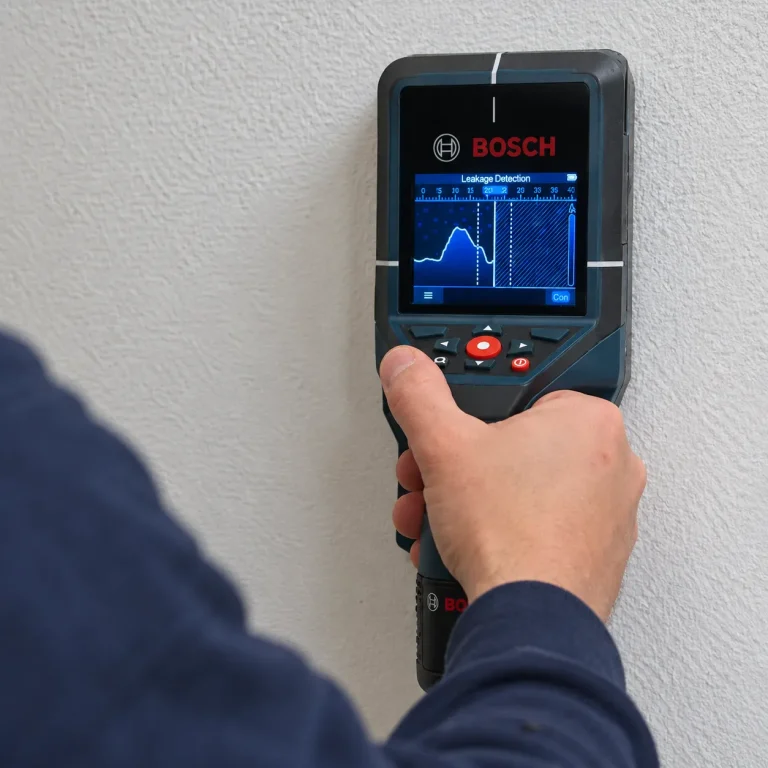
If detection shows the leak sits in an easy, open spot, direct repair may be the better call. If it shows a trapped or repeat-failing section, rerouting earns its case.
Either way, the decision follows the evidence, not the other way around.
Not anywhere. A new line needs a practical path with access for installation and future service, proper support, and protection from heat and damage. Walls, ceilings, and attics usually work. A route review after detection shows which paths your home actually allows.
Our Pipe Rerouting Process
We start with the detection report and the leak history: which line, how many times it has failed, and what has already been tried.
We map how water reaches each fixture today, so the new route connects cleanly and nothing else loses pressure or flow.
Wall, ceiling, or attic route, with the openings it needs marked out before work starts. You see the plan before the work begins.
The new line is run along the planned route, supported and protected, with insulation where an attic route requires it.
The new line is connected, pressure tested, and checked at every fixture it serves. The old section is capped off.
You get a written account of what was found, what was rerouted, and what, if any, surface work will need to follow from a separate contractor.
How long does pipe rerouting take?
A typical reroute takes 1 to 2 days of on-site work. Water is shut off to the affected line only while it is being worked on, and in most cases you stay in the home. Drywall and finishing after the pipe work can add time. A route review gives a firmer timeline for your home before work starts.
Have a confirmed slab leak in Perris?
Detection and a route review start with one call.
Pipe Rerouting vs Direct Slab Repair
These are the two ways to fix one damaged section. The right one depends on where the pipe sits, how many times it has failed, and what the access would destroy.
| Approach | May Be Considered When | Main Consideration | Slab Access |
|---|---|---|---|
| Pipe Rerouting | Leak is trapped, hard to reach, or the same line failed before | New line, new route, no slab opening at the leak | Generally avoided at the leak point |
| Direct Access Repair | Leak is reachable and the pipe is otherwise sound | One point fixed, lower cost ($500 to $1,500 typical) | Required at the leak location |
| Section Replacement | Damage covers a stretch, not a point | Longer section replaced in place | Required along the damaged section |
| Repiping | Failures are system-wide, not one line | Larger project, whole system addressed | Varies by system extent |
Pipe Rerouting vs Repiping
Rerouting fixes one line or one section. Repiping replaces a larger portion of the system or the whole system. The difference is scope, and scope is what the decision turns on.
- Rerouting: focused scope, one problem line, shorter project, lower cost than a full system replacement.
- Repiping: system scope, for homes where lines fail in several places or the piping material itself is at end of life.
- How to tell: one failed line with the rest testing sound points to rerouting. Failures in several lines, or a material known to fail across the home, points to repiping.
- Middle path: rerouting the worst line now does not prevent repiping later. It buys a sound line while you plan the larger decision with real information.
Other approaches you may hear about: epoxy lining coats the inside of an existing pipe instead of replacing it. It is a different method from rerouting, not a version of it.
It fits some pipe conditions and not others. If a company proposes lining, ask which pipe conditions it suits and what it does not fix.
Start with the evidence. If detection shows one failing line and the rest of the system tests sound, rerouting that single pipe is the focused fix. If lines are failing in several places, a whole-house repipe is the honest conversation. One leak does not automatically mean a whole house, and one reroute does not fix a failing system.
Hot and Cold Water Line Rerouting
Hot water lines are the most common reroute candidates in Perris. 1980s and 1990s copper hot lines run under slabs, and when one fails you often see a warm spot on the floor, higher water-heating costs, or low hot water pressure.
Attic routing suits hot lines well, with insulation protecting the new line.
Cold water lines offer more routing flexibility, because the route can start at the main supply rather than a fixed appliance point.
Either way, a site review decides the route. Hot and cold lines are planned separately, because their failure signs, routes, and costs are not the same.
PEX or Copper: Which New Line Is Right?
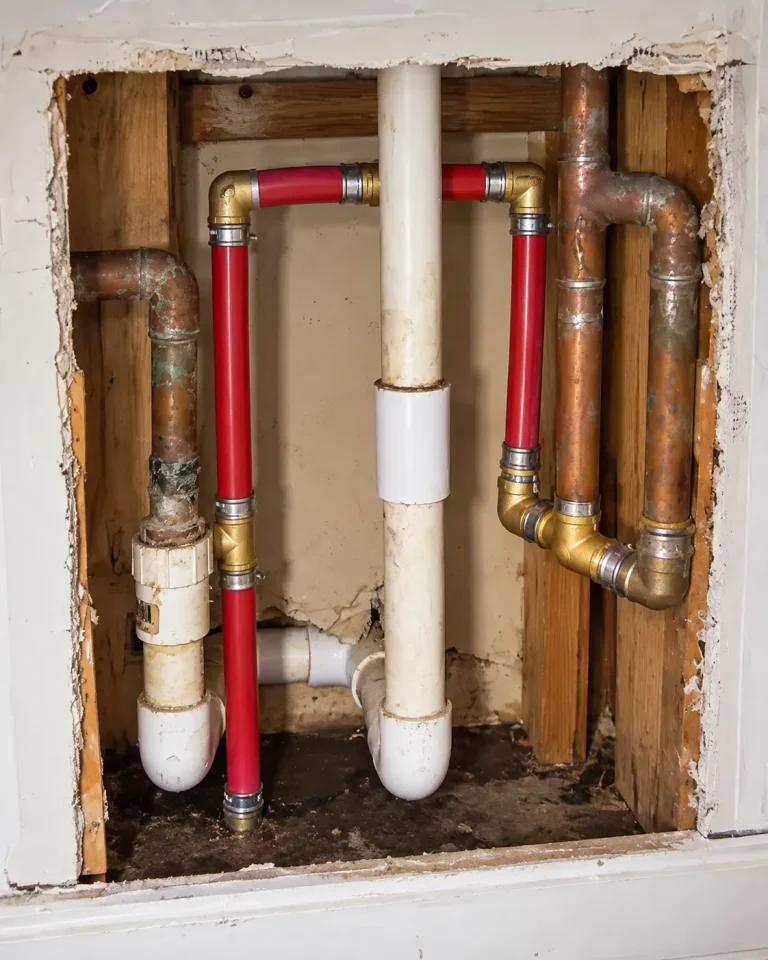
The new line is usually PEX or copper. Both are used for reroutes, and the choice depends on route, access, and your home.
| PEX | Copper | |
|---|---|---|
| Flexibility | Bends around obstacles, fewer joints | Rigid, more fittings on winding routes |
| Best route | Attic and wall routes | Straight runs, fixed lines |
| Watch out for | Joint quality, sunlight, damage where exposed | Material cost, pinhole risk as it ages |
One more honest note on PEX: a few insurers ask questions about PEX systems, which is one more reason a written report and documentation matter for your file.
None of these are reasons to avoid PEX outright. They are reasons to ask how the material will be installed and protected in your home.
There is no single right answer for every home. The route review covers which material fits your route, and why, before work starts.
Pipe Rerouting for Perris Homes
Soil and Homes
- Expansive clay soils swell with moisture and contract in dry periods, cycling with each wet season and stressing pipes at joints and bends. Locally known as the Perris Block.
- 1980s and 1990s homes with copper lines now 35+ years old, prone to pinhole leaks and joint failures as they age.
Water and History
- Hard, mineral-rich water can speed corrosion inside copper lines over time.
- Rail town of the 1880s: town founded 1885 around the rail depot, Southern Hotel on D Street built 1886, city incorporated 1911, in the San Jacinto Valley.
- 2000s building wave added new tracts over the older core, so two homes on one street can fail for different reasons.
We serve Perris and the surrounding Inland Empire, including Moreno Valley, Hemet, Lake Elsinore, Menifee, Romoland, Mead Valley, Sun City, and Homeland.
Insurance, EMWD Billing, and Permits
Insurance
Homeowners insurance often covers sudden and accidental water damage, but the pipe repair itself is often a different question from the damage it caused. Coverage turns on your policy and on the facts of the leak.
Your claim file checklist:
- Written detection report
- Test results
- Photos of the work
- Clear account of what was rerouted and why
EMWD Billing Adjustment
After a verified, repaired leak, EMWD offers a billing adjustment process with documentation. EMWD can be reached at (951) 928-3777 for adjustment questions.
Permits
Whether a reroute needs a permit depends on the scope of the work and local requirements. The contractor performing the work confirms what applies before work starts, including any inspection that follows. Ask this question early, not after the walls are open.
What to do right now: If water is running where it should not be, shut off the affected line or the home main if you can do so safely, and note what you see: meter movement, warm spots, sound, and when it started. That record helps detection, and it helps an insurance file later.
Why Choose Slab Leak Pros for Pipe Rerouting in Perris?
- Published Prices First. The range is on this page before you call.
- A Report That Stays Yours. Findings, route plan, and work, documented in writing, yours for a second opinion or an insurance file.
- Options in Plain Language. Reroute, direct repair, or repipe, with trade-offs, including when rerouting is not the best call.
- Fast Response, 24/7. Calls answered around the clock, detection scheduled promptly.
- Perris-Only Focus. Local soil, water, and housing shape every route plan.
- Work by Licensed Contractors. Repair work is performed by licensed plumbing contractors. Homeowners should verify the license and insurance of the contractor hired for their job.
Not sure which option fits your home?
Get a route review based on detection, not guesswork.
Pipe Rerouting FAQs
Leak found in slab, plumber wants to reroute pipes to attic. Is that right?
Sometimes, yes, and the detection report is how you check. An attic reroute is right when the damaged line is trapped or has failed before, and when the attic gives a clean, protected path to the fixtures it serves. The attic route avoids opening the slab, and the new line gets insulation and protection in the attic.
How much does it cost to reroute plumbing lines in slab foundation?
In Perris, a pipe reroute typically costs $3,500 to $7,000. The figure depends on the length of the new line, the route and access, and the wall and ceiling work the route needs. Detection first is separate at $175 to $350, and a route crossing finished spaces with many openings costs more than a straight attic or wall route.
How much does it cost to reroute water pipes through an attic?
Attic reroutes fall inside the same $3,500 to $7,000 range. Insulation and protection for the new line in the attic are part of the job. The total still depends on the length of the new line and the openings the route needs, and detection first is separate at $175 to $350.
Can you reroute plumbing in a slab foundation?
Yes. Instead of opening the concrete above a damaged under-slab line, a new line is run through walls, ceilings, or the attic, and the old section is capped off. This is the right call when the damaged line is trapped, has failed before, or sits where direct access would be costly or destructive.
Can you repipe a house without removing drywall?
Not entirely. Rerouting avoids cutting the slab, but it still needs openings in walls or ceilings at route points so the new line can be run and connected. Patching and finishing those openings is part of the job scope, and the number of openings depends on the route.
Is it better to repipe a house with PEX or copper?
It depends on the route. PEX is flexible and suits attic and wall routes. Copper is rigid and familiar, and suits straight runs. For a whole-house repipe, the choice also follows pipe age and leak history, and the assessment after detection is what turns it into a recommendation.
What are the downsides of PEX piping?
PEX is only as good as its fittings and connections, so joint quality matters. It must be protected from sunlight and damage where it is exposed. That is why a PEX reroute through an attic includes insulation and protection for the new line, and why exposed sections need a cover where damage is possible.
Do you need a permit to repipe your house?
It depends on the scope of the work and local requirements. The contractor performing the work confirms what applies, including any inspection that follows. A single-line reroute and a whole-house repipe can fall under different requirements, so the scope decides what the contractor confirms.
Does homeowners insurance cover plumbing leaks under slab?
Often the water damage is covered while the pipe repair itself is a separate question, and coverage turns on your policy and the facts of the leak. A written detection report and photos taken before opening support the damage part of a claim, and the insurer decides from that documentation.
How long does pipe rerouting take and what does it cost?
A typical reroute takes 1 to 2 days of on-site work and typically costs $3,500 to $7,000 in Perris. Water is shut off only during the repair phase itself, and the total depends on the route, the length of the new line, and the wall and ceiling work.
Need Pipe Rerouting in Perris?
Published prices, a written report, and a route plan based on detection, not guesswork.